

As winter fades and temperatures begin to rise, your chimney faces one of the year’s toughest transitions. The freeze-thaw cycle, melting snow, and steady spring rains can expose hidden damage fast. If you’ve been considering chimney repair in Minneapolis–St. Paul, now is the time to act before small moisture issues turn into expensive structural problems.
At 2nd Generation Chimneys, we have seen firsthand how quickly water intrusion can worsen once the snow melts. Our aim is to help you identify early warning signs and safeguard your home before leaks spread to walls, ceilings, and masonry.
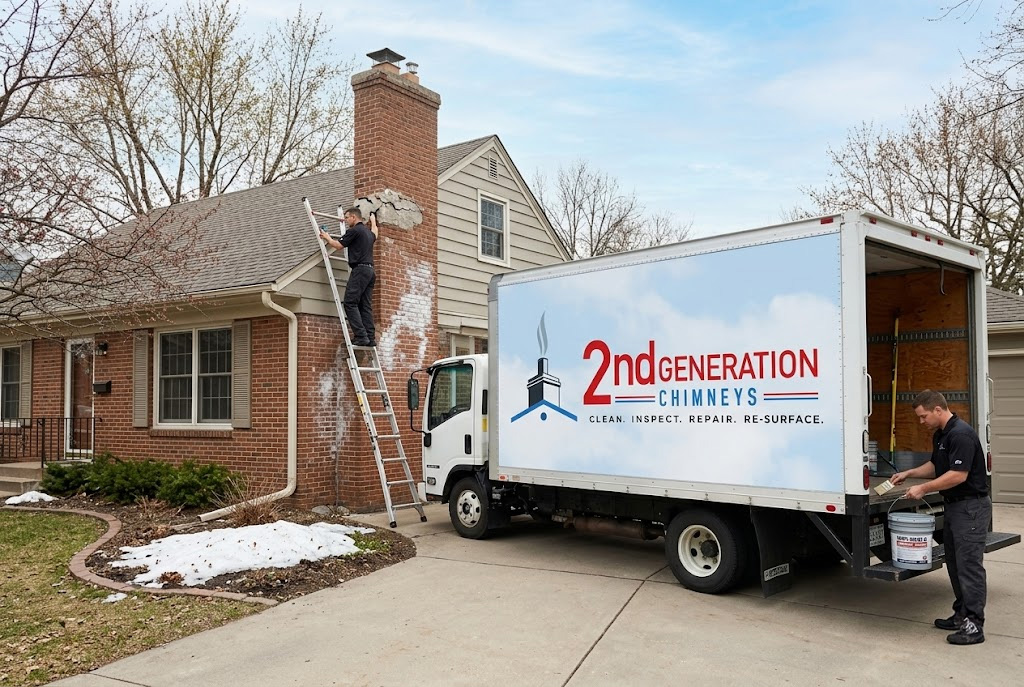
What Happens if Chimney Water Damage Is Not Repaired?
Unrepaired chimney water damage can spread over time and lead to more extensive repairs. Common problems include:
- Cracked or deteriorating mortar joints
- Spalling or damaged chimney bricks
- Weakening of the chimney structure
- Water stains or damage inside the home
- Damage to nearby roofing or building materials
- Higher repair costs as deterioration worsens
Addressing chimney leaks early can help limit moisture damage and reduce the risk of more extensive chimney repairs.
Why Chimney Leaks Are Common in Spring
Throughout winter, your chimney absorbs snow and ice. When temperatures fluctuate, trapped moisture expands and contracts within brick-and-mortar joints. This process creates cracks that may not be visible until spring rains begin seeping in.
Even a small opening in masonry, flashing, or the chimney crown can allow water to enter. Once moisture gets inside, it doesn’t just dry out on its own. It lingers, spreads, and weakens the structure from within. That’s why early detection is so important.
Water Stains: An Early Sign of a Chimney Leak
One of the earliest signs of a chimney leak is water staining on ceilings or walls near your fireplace. You might see yellow or brown discoloration, peeling paint, or bubbling drywall.
These stains often appear after heavy rain and may seem minor at first. However, they indicate that water has already traveled through masonry and into your home. Addressing the issue early can prevent costly interior repairs later.
Efflorescence on Brick Can Signal a Chimney Leak
Have you noticed a white, powdery residue on your chimney’s exterior? That substance is called efflorescence. It forms when water moves through masonry and leaves salt deposits behind as it evaporates.
While efflorescence itself isn’t dangerous, it’s a clear sign that moisture is penetrating your chimney. If left untreated, that moisture can deteriorate mortar joints and cause bricks to crack or spall.
Professional chimney sealing can significantly reduce water absorption and protect your masonry from further damage.
Musty Odors May Indicate Chimney Moisture Problems
As humidity rises, trapped moisture inside your chimney can create a musty smell that drifts into your home. Many homeowners assume the odor will fade on its own, but it typically signals ongoing water intrusion.
Persistent dampness can also contribute to mold growth and interior air quality concerns. Identifying the source early allows us to recommend targeted solutions, such as sealing or repairing vulnerable areas, before the problem worsens.
A Damaged Chimney Crown Can Cause Leaks
Your chimney crown is the concrete top that seals and protects the structure from above. When crowns crack, chip, or deteriorate, water flows directly into the chimney system.
Crown repair or resurfacing is one of the most effective ways to stop leaks before they spread. By restoring the protective barrier at the top, we prevent water from entering the masonry below.
Repair Chimney Leaks Before Water Damage Spreads
Spring is the ideal time to schedule an inspection and address minor concerns before summer storms arrive. Whether your chimney needs sealing, resurfacing, or crown repair, we’ll provide straightforward recommendations designed to extend its lifespan and protect your home.
If you’ve noticed stains, odors, or exterior masonry changes, don’t wait for the damage to grow.
Frequently Asked Questions
Question: What are the early signs of a leaking chimney?
Answer: Early signs of a leaking chimney can include yellow or brown water stains near the fireplace, peeling paint, bubbling drywall, white powdery deposits on exterior masonry, and persistent musty odors inside the home. These symptoms often indicate that moisture has already entered the chimney system, even when there is no obvious dripping or visible water inside the fireplace.
Question: Why does my chimney start leaking in the spring?
Answer: Spring chimney leaks often develop because moisture absorbed during winter expands and contracts during repeated freeze-thaw cycles, creating small cracks in bricks, mortar joints, flashing, or the chimney crown. When melting snow and spring rain reach these weakened areas, water can penetrate the structure and gradually spread into surrounding masonry, ceilings, or walls.
Question: What does white powder on chimney bricks mean?
Answer: White powdery residue on chimney bricks is called efflorescence, which develops when moisture moves through masonry and leaves mineral salts behind as the water evaporates. Although the residue itself is not usually harmful, its presence can indicate ongoing water penetration that may eventually weaken mortar joints and contribute to cracking or spalling bricks.
Question: Can a cracked chimney crown cause water leaks?
Answer: A cracked or deteriorated chimney crown can allow rain and melting snow to enter the chimney because the crown is designed to protect the masonry from water entering at the top. Repairing or resurfacing the crown restores this protective barrier and can help prevent moisture from spreading deeper into the chimney structure and surrounding areas.
Question: Why does my chimney smell musty after it rains?
Answer: A musty chimney odor after rain can indicate that moisture is trapped inside the chimney or masonry, particularly when humidity increases during warmer spring weather. Persistent dampness should be investigated because continued water intrusion can contribute to masonry deterioration, unpleasant indoor odors, and conditions that may encourage mold growth.
2nd Generation Chimneys, Inc. serves Minneapolis, St. Paul, and the Surrounding Communities.
