

At 2nd Generation Chimneys, we know winter brings comfort, crackling fires, and serious responsibility for homeowners who rely on their fireplaces. If you own a chimney in Minneapolis-St. Paul, cold temperatures, snow, and constant use make your chimney liner more important than ever. A properly functioning liner protects your home, improves efficiency, and keeps your family safe year-round. A damaged or failing chimney liner is a leading cause of chimney fires and carbon monoxide issues during winter, making proactive care essential for every homeowner.
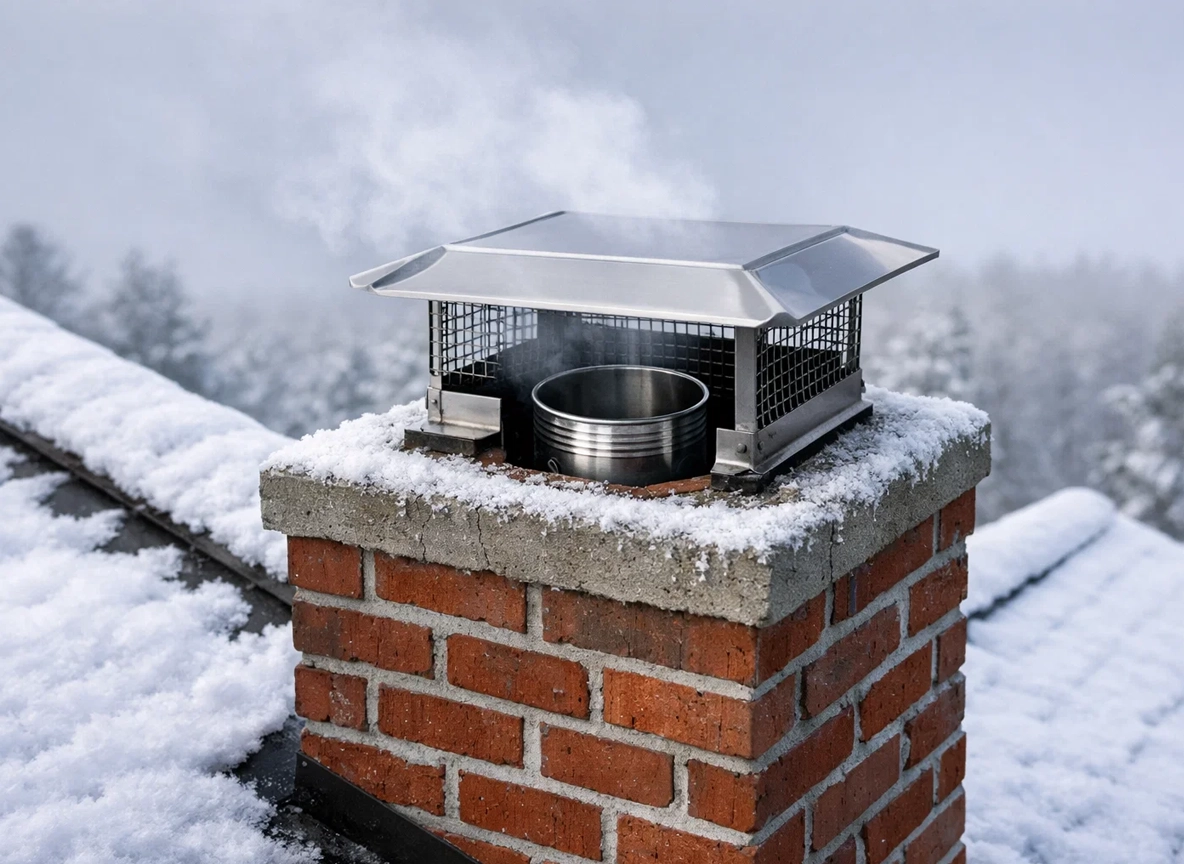
What a Chimney Liner Really Does
Your chimney liner is the hardworking barrier inside the flue that safely directs smoke, gases, and heat out of your home. It protects masonry from corrosive byproducts, prevents excessive heat from reaching combustible materials, and improves draft, helping fires burn cleaner. Without a sound liner, dangerous gases like carbon monoxide can seep into living spaces, and moisture can accelerate chimney deterioration. A healthy liner also helps your fireplace or stove operate efficiently, saving energy and reducing creosote buildup.
How Winter Stress Exposes Liner Damage
Minnesota winters are tough on chimneys. Continuous use, extreme temperature swings, and moisture from snow and ice all put stress on chimney liners. Over time, liners can crack, corrode, or separate at the seams. When fires burn daily, small flaws quickly become bigger problems. Freeze-thaw cycles force moisture into tiny gaps, expanding damage and weakening the liner’s structure. These issues often stay hidden until they cause smoke problems, poor draft, or safety hazards during peak heating months.
When to Consider Liner Inspections or Relining
Homeowners should schedule chimney liner inspections annually, especially before or during heavy winter use. If your chimney is older, unlined, or venting a new appliance, an inspection is critical. Signs you may need relining include persistent smoke odors, visible flue damage, excessive creosote, or reduced fireplace performance. Relining restores proper venting, improves safety, and extends the life of your chimney system. Proactive inspections help catch liner damage early, preventing costly repairs and ensuring peace of mind all winter.
Why Professional Care Matters
Working with experienced chimney professionals ensures your liner is evaluated by trained eyes and the right tools. We use camera inspections to detect hidden damage, verify clearances, and confirm that your liner matches your heating appliance. Professional recommendations are based on safety codes, efficiency goals, and the specific demands of winter use. DIY checks miss internal cracks and early corrosion, which worsen over time.
Investing in professional care now reduces fire risk, improves draft, and prevents emergency repairs during the coldest nights, when your fireplace matters most. Service delays can be costly and stressful. It also helps maintain manufacturer warranties, supports insurance requirements, and keeps your home compliant with local building and safety standards year-round.
Keep Your Fireplace Safe and Efficient
We believe loving your chimney liner means giving it the attention it deserves during the coldest months. Regular inspections and timely relining protect your investment, your comfort, and your family’s safety. When winter settles in and fires burn often, a strong liner makes all the difference.
2nd Generation Chimneys, Inc. serves Minneapolis, St. Paul, and the Surrounding Communities.
