

Minnesota winters don’t mess around—and neither do we when it comes to protecting your home. If you own a chimney in Minneapolis–St. Paul, you already know that snow, wind, and extreme cold can take a toll fast. At 2nd Generation Chimneys, we see firsthand how Twin Cities weather stresses chimney systems all winter long, often in ways homeowners can’t see until real damage has already been done.
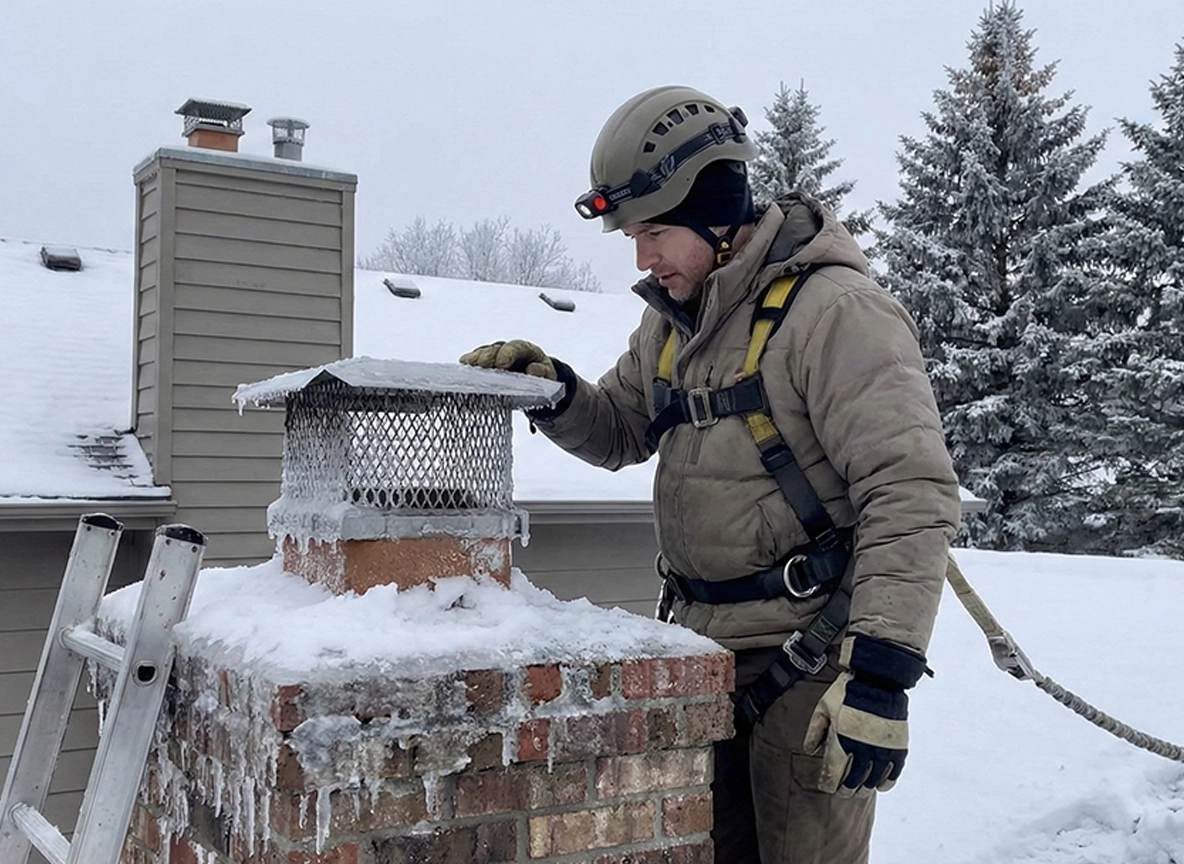
Deep Cold and What It Does to Chimney Masonry
Extended periods of subzero temperatures cause masonry materials to contract. When bricks, mortar, and flue liners repeatedly shrink in deep cold, small existing cracks can widen. What starts as a hairline fracture in early winter can become a structural concern by February. Once those cracks open, they let moisture in—and moisture is the real enemy.
Cold temperatures also make mortar more brittle. Older chimneys or those already showing wear are especially vulnerable, which is why winter is often when hidden weaknesses reveal themselves.
Wind: More Than Just a Chill Factor
Strong winter winds across the Twin Cities don’t just make it feel colder—they directly affect chimney performance. Wind pressure can interfere with proper draft, forcing smoke and combustion gases back into your home instead of safely venting them outside. This can lead to smoky odors, poor fireplace performance, and increased creosote buildup.
Wind-driven snow and ice can also find their way into damaged chimney caps or flashing, accelerating moisture problems that may not be obvious until spring leaks appear.
Freeze–Thaw Cycles: Small Changes, Big Damage
Even in the dead of winter, Minnesota experiences freeze–thaw cycles. Snow melts slightly on sunny days or during brief warm-ups, then refreezes at night. Water that seeps into cracks expands as it freezes, pushing masonry apart from the inside.
Over time, this process can shift bricks, loosen crowns, and compromise flashing. The result? Chimneys that lean, leak, or deteriorate much faster than expected—all without a single storm causing obvious damage.
How Winter Conditions Impact Draft and Safety
Frozen pipes are another common winter issue. Ice buildup, condensation, or blockages caused by temperature differences can restrict airflow. Poor draft doesn’t just affect performance—it can create safety risks by trapping carbon monoxide or increasing creosote accumulation.
A chimney that worked fine in the fall can struggle in midwinter due to changing conditions, even if you haven’t changed how often you use it.
Why a Mid-Winter Chimney Check Matters
Many homeowners wait until spring to schedule chimney service, but by then, damage has often worsened. A midwinter chimney inspection allows us to catch cracks, shifting masonry, draft issues, and moisture intrusion early—before freeze–thaw cycles and melting snow turn them into costly repairs.
By addressing problems during winter, you protect your chimney’s performance now and prevent leaks, structural damage, and interior water issues when spring arrives. A proactive winter inspection can extend the life of your chimney by years and reduce the risk of emergency repairs during peak heating season.
2nd Generation Chimneys, Inc. serves Minneapolis, St. Paul, and the Surrounding Communities.
